I'm transforming how medicine makes people feel.
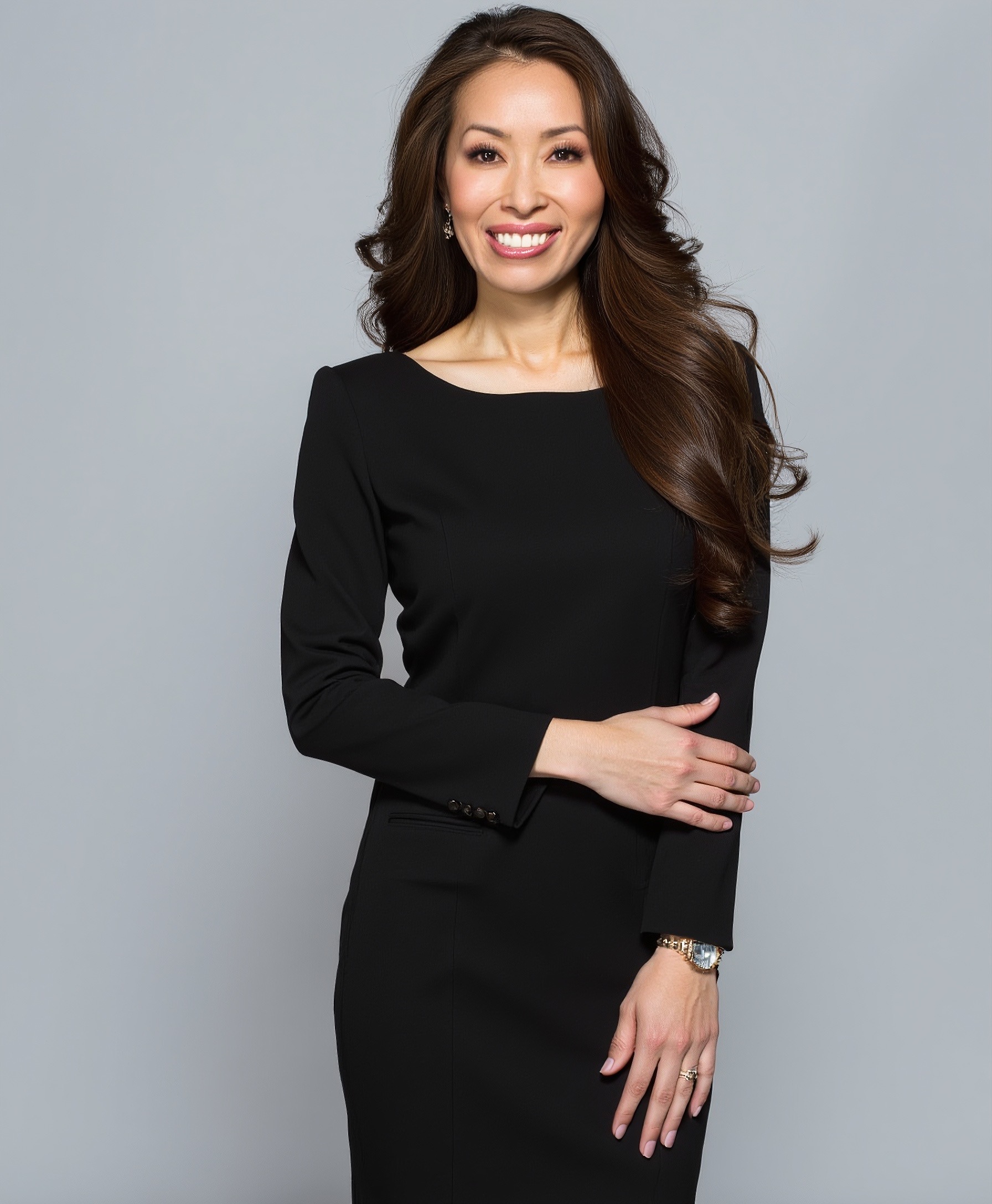
I didn't come to medicine first. I came to the science.
For a while I thought I'd spend my life at a lab bench, chasing one small step in one pathway. The work was fascinating. It was also lonely. I'd look up from an assay and realize the thing I cared about most, people, wasn't in the room.
So I sat in on hospital rotations, and something woke up. I could keep the science and add the part I'd been missing: the person in front of me.
For years I practiced the way the system asks you to. Seven-minute visits. A full waiting room. And even while I was looking at a patient, part of me was somewhere else, watching the clock, counting how far behind I was.
People had waited weeks to see me. They deserved my whole attention, and I couldn't give it in seven minutes.
There were days I couldn't stop to eat, let alone catch my breath. And I learned something humbling: an empty cup has nothing to pour.
I can't fix the healthcare system. I'm one person. But I can decide how I practice. So I stopped spending my energy on what's broken and built the one room where medicine could be what I always meant it to be.
This is the practice I always wanted.
Here's what I understand about skin. It isn't just the outer layer, it's a messenger. A breakout, a rash, a change in tone, your body is often telling you something about what's happening underneath. My job is to read those signals, and to help you read them too.
And here's what I mean about beauty. Medicine measures what's easy to count. Lab values, lesion counts, before and after. It treats how you feel in your own skin as soft, secondary, not real data.
I don't.
When a patient whose psoriasis kept her covered for years can finally wear the dress to the wedding and feel beautiful, that is the outcome. We just never built a chart for it.
How you feel in your skin is something I take as seriously as anything I can measure.
And underneath all of it, here is the real thing I'm building.
I think of this practice as a vessel. If I can make the life of the person in front of me a little better, it doesn't stop with them. It ripples, to their family, their friends, the people they work with. One patient at a time, that's how something larger moves.
The mission isn't only to treat skin. It's to transform how medicine makes people feel.
I'm a Korean-American mother of two. One taught me how to listen before I speak, and one is teaching me what it means to be kind and curious. I'm married to a partner who has believed in every version of this work.
- Duke University, Bachelor of Science
- University of Illinois College of Medicine, MD
- Northwestern University, Internship
- University of Illinois Medical Center, Dermatology Residency, Chief Resident
- Board-Certified, American Board of Dermatology
- Fellow, American Academy of Dermatology (FAAD)
A small group goes first. Add your name.